Sunday, 12 June 2011
Queuing, Indian Style
On my whirlwind autorickshaw tour of Varanasi we ventured across the river to an old fort on the otherside. I cant remember the name of it, nor the museum inside, but I wont forget the amazing Indian queuing experience. The museum opened at ten and within a few minutes the area around the ticket booth had become a mass of people - shoving, hustling and finally, just plain sitting.
Varanasi & the Ganges
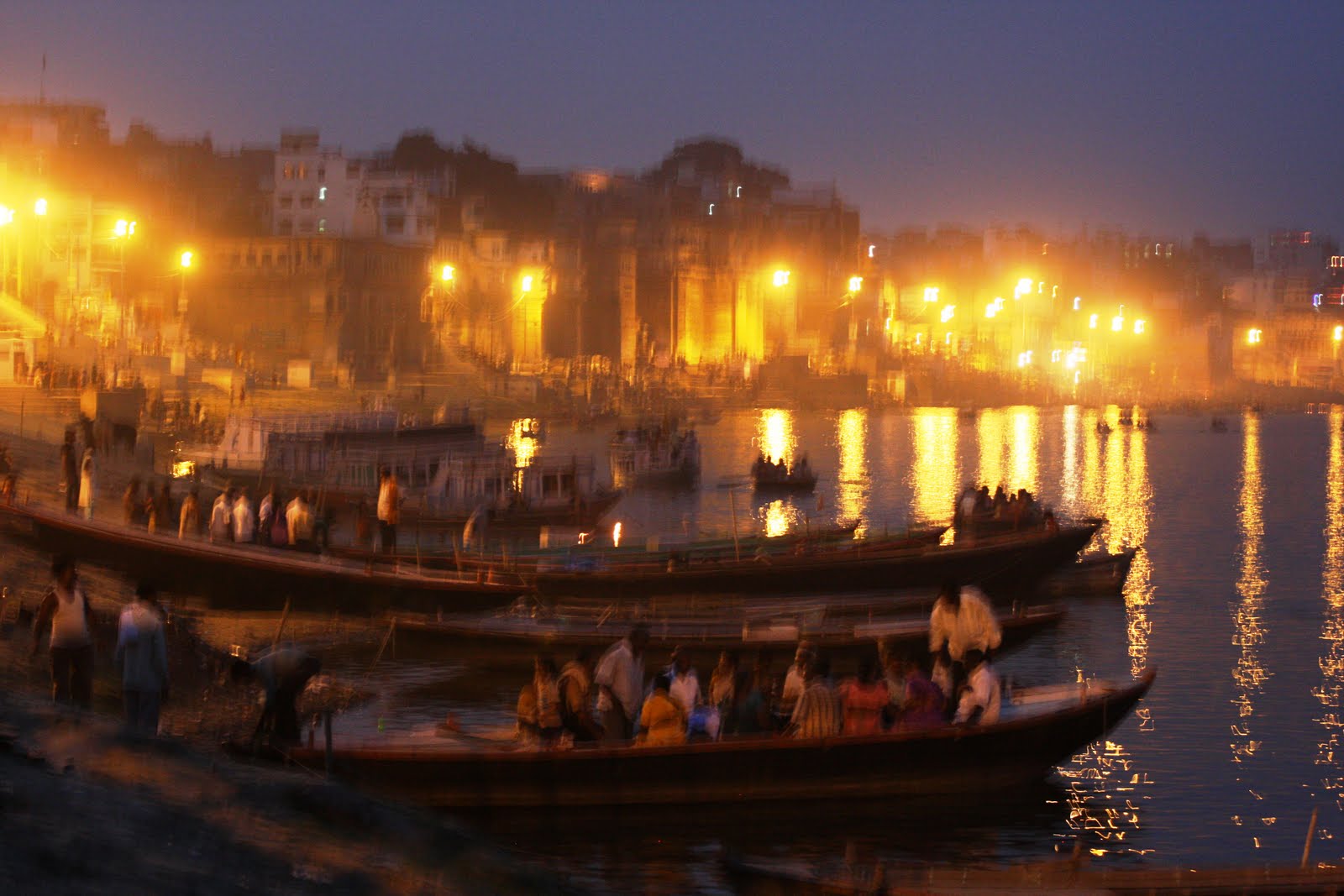
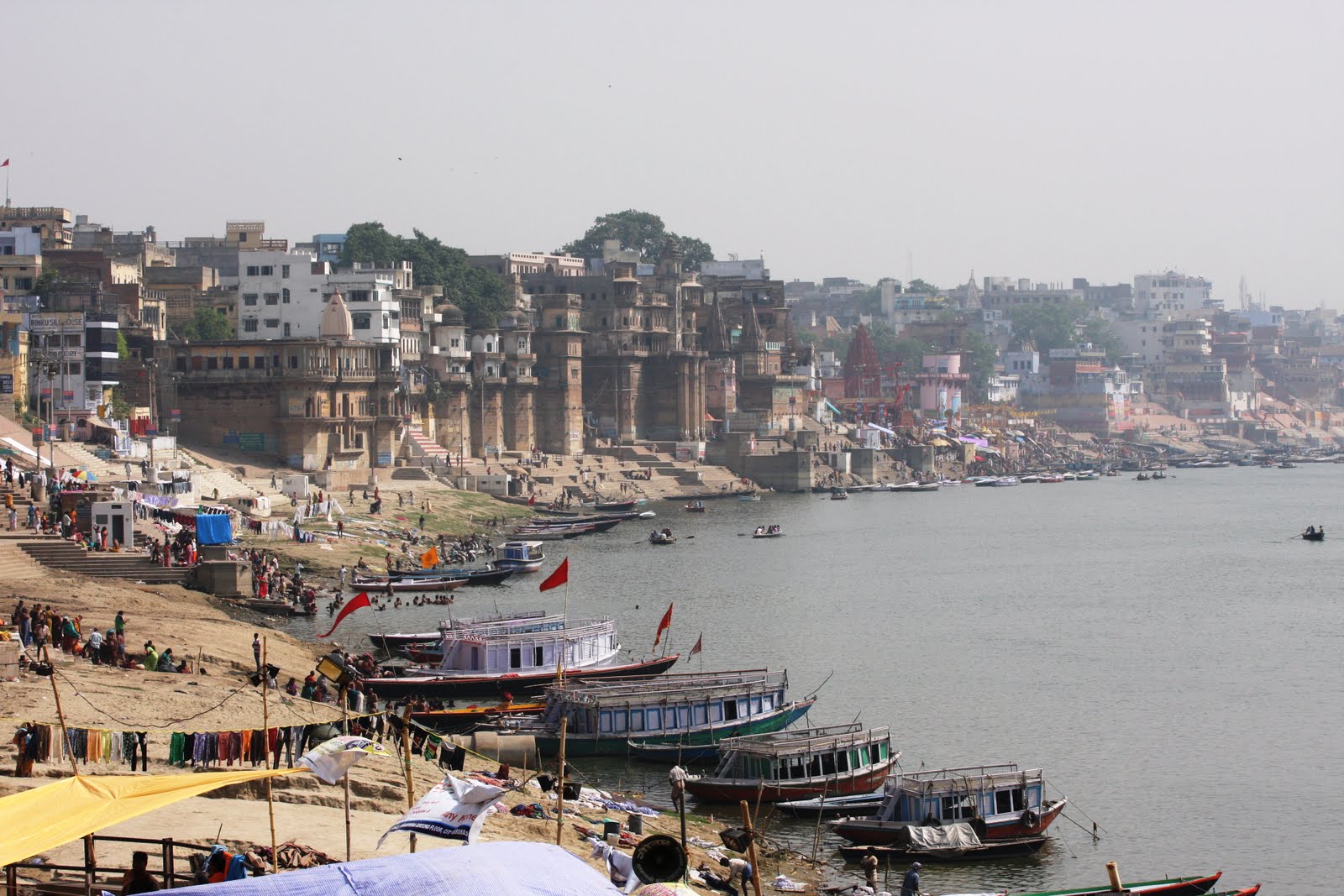
Welcome to Varanasi - oldest living city in India, built on the banks of the holy Ganges River. By the time I reached Varanasi, I had endured a day of Jeep tracks down the mountains and 20 hours of train riding which in itself is a feat (especially if one includes the monkeys with face leprosy, the cockroaches for cabin mates and begging children that have eyes trained to pierce souls) to be welcomed to 46 degrees centigrade of blistering, sandstorm summer. All that and more couldnt stop the sight of ancient temples and ghats reaching down to the mighty Ganges taking my breath away. A site for Hindu pilgrims across India, it is the most revered site to die (you get to skip all the reincarnations and jump straight to enlightenment if you die in Varanasi) and an important pilgrimage site. It's also exceptionally beautiful.
Like an ancient meeting place, people dressed in all colours of the imagination come down to the river side to bathe, wash clothes and give offerings.
And, more infamously, to burn the dead. The funeral pyres along the riverside are for cremating the dead but not everyone can afford to send their loved ones through the crematoriums. Informal and illegal fires along the edge of the river side are also used for cremating bodies, or sometimes partially cremating, depending on how much wood you can afford. There seems to be no concern to wash clothes, or yourself, quite literally right next to these fires.
Just back from the Ghats the winding alleyways are bustling with as much activity.
And you cant go anywhere without seeing a lively game of the national sport of India - wildly adored cricket.
Saree washing is a special art in itself the long reams of fabric lined on stairways to dry.
The Elusive Makaibari
My first destination in India was the northern hillstation of Darjeeling. Famous for fine tea production, I planned to visit the progressive Makaibari Tea Estate, renowned for biodynamic tea farming and commitment to social development in the region. But, as a friend pointed out before leaving: "you can plan for India, but India has a plan for you". So, a few days in the cold and misty hills of Darjeeling acclimatising to the sounds and smells of India before heading to Makaibari on my way to Varanasi. Unfortunately, these blurry snaps out of the jeep window were as close as I ended up getting.
The sprawling expanse of Darjeeling against the mist of the hill stations.
It was regional elections and there was a great tension in the area with a number of politicians hoping to take over power of the area. We want Gorkhaland is a movement for separation from mainland India, or at least increased independence. As such, many roads were closed and traffic was heavy with voting stations and police presence. So, no visit to Makaibari but speeding through the hills through the beautiful green hills was still beautiful.
Leaving Bhutan
During my short visit to Bhutan, I experienced Im sure only a glimpse into this world. One of my enduring impressions will be of the expansive forests that cover the majority of this small Kingdom and the inherent reverence for the living world that is the foundations of Buddhism.
Exploring the remains of an old fort against the backdrop of unclimbed peaks.
My guide, Ratu, and driver, Ramish, on the ruins of the fort.
The government banned the climbing of any mountains above 5000m after a few tragedies with people trying to climb the highest mountains. It is in keeping with their philosophy that mountains are themselves sacred and should be respected, not conquered.
Bhutan is many things - including, for better or worse, highly controlled by the government. It is a place like nothing I have experienced before and the many ways in which reverence for all living things are naturally a part of daily life was incredibly inspiring. One thing is for certain is that Bhutan is consciously determining its own path towards the future - with high speed internet and luxury cars alongside archery competitions and youth training to be master sculptors, a massive investment into hydro power and national protection of forests. Bhutan is a country considered.
Tiger's Nest
Tiger's Nest Monastery is perched high on a cliffside in the Paro Valley. Legended to be the place where Guru Rinpoche was taken on the back of a flying tigress, it is where he then meditated for quite some time and today is still a sacred place for retreat and meditation, as well as pilgrimage for many Buddhists.
The hike up the mountains and up the cliffs was quite something else! Reaching the monastery was definitely worth the effort though! With beautiful views from all sides, and a dramatic waterfall to pass over to finally reach it, it is an incredibly awe inspiring place.
The view of the Tiger's Nest from across the valley.
Learning in Bhutan
Bhutan was an incredible learning experience and part of that was visiting the various institutions that were a part of keeping the traditions and culture of Bhutan alive. The School of Astrology is where young monks train in the art of astrology and locals come for readings. I had the fascinating and slightly surreal opportunity to have my stars read which included the strangely accurate locating of an auspicious birthmark and the prediction that I will live between two places, be self sufficient and have 3 or 5 blessed children. A few more interesting things to hopefully look forward to as well! That, and to avoid travel on Wednesdays.
The Institute of Traditional Medicine is where doctors are both researching natural medicines and practicing ancient traditional approaches to health and wellbeing. It was great to see a place where people could come for preventative and restorative natural medicine practices.
A few years ago, the School of 13 Arts was established to promote the practice of traditional arts such as mask making, sculpture, weaving, painting, metalwork, embroidery etc. The work is, ofcourse, exceptionally traditional. The quality of the final year students work is incredible and its interesting to see behind the scenes of what goes into keeping an ancient culture alive.
Subscribe to:
Posts (Atom)